Blog

A group of young women dressed in traditional Maasai attire, standing outdoors in a lush environment with trees. The women wear vibrant robes and jewelry, showcasing the cultural heritage of the Maasai community.

Shaping The Next Generation of Maasai Women Leaders

Across Kenya, new curriculum requirements have made attending secondary school more demanding and costly, especially for rural Maasai families who lack access to affordable education. Secondary school graduation rates tend to be even lower for Maasai girls due to additional cultural barriers such as child marriage and female genital mutilation (FGM). Yet despite these challenges, our team is determined to provide pathways to education, encouraging these girls to dream boldly about their future. Through our mentorship programs, Maasai girls build skills and confidence to help them stay in school and navigate pressures that threaten to pull them off their educational path. Trusted mentorship provides these girls with advocates, role models, and a safe, structured space to define their own goals. We invite you to meet a few of the young women who are turning obstacles into stepping stones, forging their own paths with courage and perseverance. With our support, each featured student below is pursing her studies so she can gain the knowledge and skills to create lasting change in her community.  Beatrice Nyawira Beatrice is a hardworking Form 4 student who enjoys studying mathematics and would like to become an accountant. She dreams of studying finance and accounting at the University of Nairobi so she can help her community manage resources and create opportunities for sustainable growth.  Seleto Loonkushu  Seleto is a curious and motivated Grade 9 student at St. Mary’s Narok who is drawn to the STEM subjects: science, technology, engineering, and mathematics. Her dream is to pursue medicine and become a doctor, helping Maasai families access quality healthcare and bringing vital support to her community.  Mareya Olopito Mareya, an expressive Grade 9 student at Enkiteng Lepa, enjoys studying applied sciences and hopes to become a teacher. Her goal is to help improve literacy rates improve in her community and to inspire other girls to continue learning. She loves sharing her knowledge with younger students and encouraging the the next generation to dream beyond traditional limits. Joyce Namelok  Joyce is a thoughtful Form 3 student at Olashapani Girls who dreams of becoming a journalist. She is passionate about using media and communication to helps her shine a light on important issues and inspire change through storytelling. Her dream is to write about Maasai culture and highlight the voices of women and girls in her community.  Tunda Ntutu  Tunda is a determined Form 3 student who dreams of one

Read More
A smiling teacher in traditional attire stands in front of a chalkboard in a classroom, with the word "WECO" written on it. Colorful educational posters about months and shapes are displayed on the walls, enhancing the learning environment.

Sowing Seeds of Hope and Resilience: Creating a Legacy for Maasai Women

During our recent group trip, WECO founders Rebecca and Jenny sat down with Hellen Nkuriaya, founder of the Tepesua CBO, to learn more about her powerful work lifting women out of poverty and providing pathways to education for underprivileged Maasai girls. Hellen shared the story of how her work began: as a former primary school teacher, she would often encounter women asking for food to feed their children. She consistently gave what she could, while knowing this model of support wouldn’t be sustainable for either her or the women. “Most of the women used to come to my door for food. I would help when I could, but I knew they needed something more — a way to sustain themselves.” Her realization planted the seed for what is now the widows’ village: a safe haven for vulnerable Maasai women who lost their husbands and had little means to support themselves and their children. She designed a program for women to build the skills necessary to earn a living and create opportunities for themselves and their families. The women’s program began simply: with beadwork and sewing, projects that could be taught and shared without formal education. Women learned to make jewelry, sew reusable sanitary pads for girls, and make eco-friendly shopping bags to sell locally as well as to tourists. These small enterprises give women the financial stability to afford basic necessities like food, healthcare, and some school fees for their children. The Tepesua CBO has since expanded to include a primary school for around 120 students in grades PP1-5, and as of 2025, a sustainable community farm that will serve as an income-generating engine for the entire community. By planting fruit trees, vegetables, and staple crops, the women will be able to nourish their families while building resilience against droughts and food shortages. The long-term plan is for each woman to tend her own plot, keeping the profits from selling produce at local markets. As a traditionally pastoralist culture, this is a huge step for the community, and will enable them to be agile and adaptable to challenges that come their way, including climate change and the growing complication of grazing land restrictions due to increased private property. Running the farm will also help teach the community about the importance of saving and reinvesting for the future. Eventually, Hellen and her team hope to build partnerships with local banks like

Read More
Maasai girls in traditional attire performing in front of an audience of schoolchildren. The joyful atmosphere showcases vibrant red shuka and beaded jewelry, representing Maasai culture, at a school event in Kenya.

Preventing FGM Through Girls Education and Mentorship

Guest Blog By Arushi Singh Beyond the sweeping global statistics around gender inequality lies a region where the weight of tradition presses heaviest: in East Africa, elevated rates of Female Genital Mutilation (FGM) paint a stark and compelling picture of a deeply entrenched practice. According to the World Health Organization (WHO), FGM is defined as the partial or total removal of female genital organs for non-medical reasons. FGM is internationally recognized as a human rights violation and is predominantly concentrated in Africa and the Middle East. An estimated 230 million girls and women worldwide have undergone some form of FGM—many before the age of 15. Research shows that 63 million girls will be circumcised by 2050, making it not only a human rights violation, but also a serious global health issue. Despite being legally prohibited, FGM persists due to deeply rooted cultural and religious beliefs, and is often coupled with child marriage, another severe human rights violation. Many young girls are circumcised to ‘preserve their virginity,’ a mandatory marriage requirement in some cultures. FGM is also sometimes a social and cultural norm used to reinforce male superiority and control over women’s sexuality and satisfy male sexual needs. Key Data Trends  Across East Africa, prevalence rates for FGM vary dramatically, with the region accounting for a significant portion of the over 200 million girls and women worldwide who have undergone the practice. Cross-border FGM is a concern for women living in the border areas of Ethiopia, Kenya, Somalia, Tanzania, and Uganda, undermining national and regional efforts to eliminate FGM. According to the latest UNICEF report, prevalence rates of FGM among women aged 15-49 vary considerably by country:    Somalia: Remains very high at approximately 98% Ethiopia: Around 65% Kenya: Has seen a decline but still stands at about 15% (latest data from 2022). Earlier data showed 21% in 2014 and 27% in 2008/9 Tanzania: Around 10% Uganda: Significantly lower, at less than 1% The practice is almost universal in Somalia, Guinea, and Djibouti, with levels of 90% or higher, while it affects no more than 1% of girls and women in Cameroon and Uganda.  In some countries, the medicalization of FGM, which is performed by healthcare practitioners, is also concerning. Approximately one in four FGM survivors—around 52 million women and girls globally—experienced FGM from health workers. Medicalization violates ethics and risks legitimizing the practice, suggesting it has no consequences. No matter the location

Read More
Group of women posing together in a modern, bright indoor space with large windows, surrounded by greenery. A friendly dog stands nearby, and the setting features rustic wooden decor and ample natural light.

Transforming the Coffee Industry for Women in Costa Rica

In the fertile highlands of Terrazu, Costa Rica, where coffee plants line the hillsides, a new women’s coffee farming cooperative is taking root: ASOMIC (Asociación de Mujeres en Café). Formed just a year and a half ago, ASOMIC is a women-led association working to reshape the coffee industry from the ground up, and is comprised of 35 of the highest skilled women coffee farmers in the region—some who own their farms, others who manage family plots, and all of whom share a powerful vision: to promote gender equity, economic independence, and leadership for women in coffee production. Their dream to form an association blossomed from workshops, trainings, and skills-building conference opportunities organized by local NGO, Bean Voyage. WECO sat down with a few representatives from ASOMIC, to discuss how they came together, how they are navigating the challenges of farming and selling coffee on their own, and how they are working to identify shared needs and build collective solutions. ASOMIC members are involved in every stage of coffee production—from planting and harvesting to processing, roasting, packaging, and even export. And, they’re committed to doing it better, together. During their first year, the members focused on capacity building, through workshops and technical trainings on coffee fermentation, flavor development, and cupping (the art of tasting coffee). Members attended a workshop at CATIE University (Centro Agronómico Tropical de Investigación y Enseñanza), where they learned how to prepare export-quality samples and evaluate their beans—an essential step for thriving in global markets. In addition, the cooperative members are exploring new fermentation techniques to create distinct flavor profiles and boost the value of their beans in the specialty market. Through an innovative approach to zero-waste farming, they make use of coffee waste by turning it into fuel pellets and animal feed. ASOMIC is comprised of women farmers who operate small, individual coffee businesses and pool their resources and expertise to access shared roasting, packaging, and marketing infrastructure. Many members are already exporting their beans, and rely on one member to handle the roasting process for the entire group—providing a streamlined micro-business model that keeps more value in the hands of the producers themselves. Their goal is to build a central office and cupping lab where members can refine their coffee, host tastings, share equipment, and receive ongoing training. They all pay dues into the association and are committed to making it financially sustainable through both membership contributions

Read More

Navigating the Road Ahead: Life After USAID Cuts

At WECO, news of the recent U.S. foreign aid freezes has been deeply troubling, and our team wanted to share a few thoughts to help explain how these decisions have the potential to erase years of progress in global development. We are angry, frustrated, and concerned about the realities facing communities of people—many of whom we know—now experiencing lack of staff and funding to do their critical work. The repercussions of this are still unknown; but we are aware of some early implications of what this means IRL. Organizations typically receiving direct USAID funding are struggling to stay alive without it, resulting in widespread program disruptions and cessation of services. These include school programs for underserved youth, food security initiatives for children living in rural villages, critical healthcare services for mothers living in extremely remote areas, and vaccine / medical programs that protect people experiencing poverty from severe health challenges. Several USAID-led health programs (were) designed to protect vulnerable communities (including those in the U.S.) from health crises and viral outbreaks. It is no exaggeration to say, defunding those programs is an extremely dangerous, unnecessary risk to global security and prosperity. Unfortunately, there will also be cascading, indirect repercussions for other aid organizations experiencing funding difficulties. Imagine: when the global development network loses such a broad and historically stable source of funding, it strains an already strained system of resource distribution. Some programs will be canceled in anticipation of losing their funding or out of fear of being targeted and penalized moving forward. These organizations will ultimately have to seek funding elsewhere, making it much more competitive than ever before to receive essential support for life-saving programing. Many business-minded people may remark that this isn’t necessarily a bad thing; that, for lack of a better way of saying it, this will ‘weed out’ the weaker organizations or programs so only the strongest ones survive. That may be partially true. This is a very bleak view of development, one that necessitates the existence of Winners and Losers in an industry that isn’t and shouldn’t be guided primarily by principles of capitalism. This viewpoint also acquiesces to the sacrifice of smaller, grassroots organizations, often ones with community or local leadership, as they are the ones with less infrastructure or means to satisfy lengthy requirements from larger donor institutions. And more broadly, to us it goes against the core humanity of what global

Read More
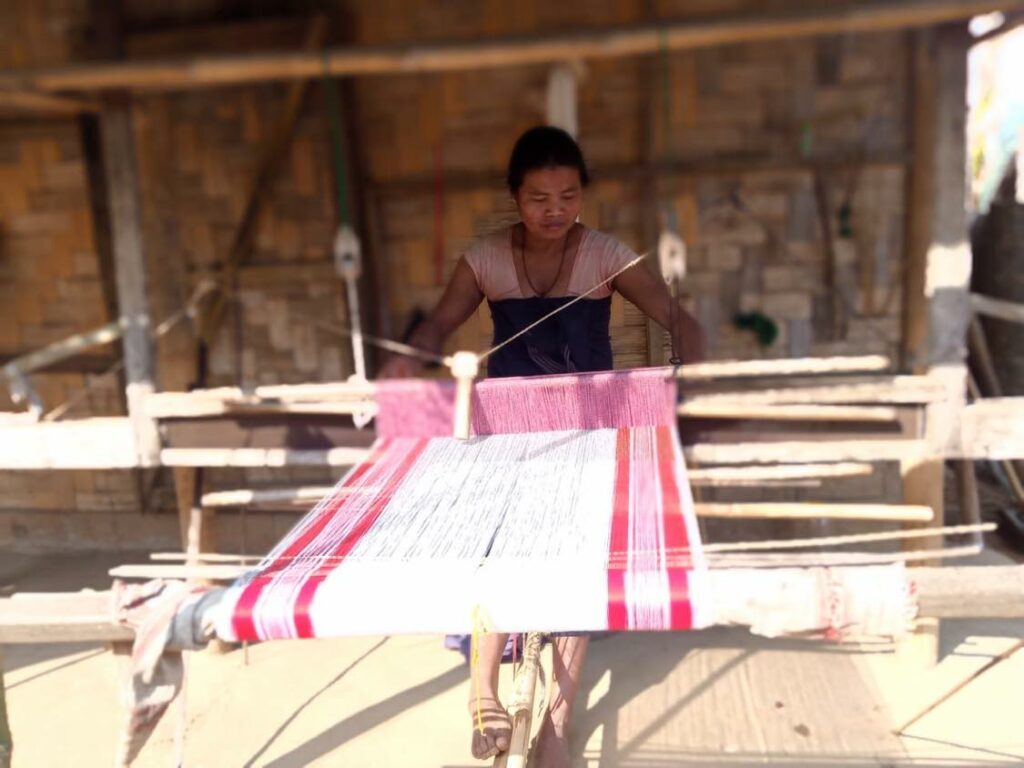
Indigenous woman weaving textiles using traditional techniques in a rural setting, surrounded by fellow artisans and vibrant handmade fabrics.

Investing in Women: A Path to Sustainable Development and Economic Growth

Guest Blog By Elizabeth Cannon Investing in women is not just a moral imperative—it’s an economic strategy with substantial returns. Gender-lens investing (GLI) has emerged as a pivotal approach in the global financial landscape, aiming to close gender gaps and promote equality. This investment philosophy recognizes that empowering women can lead to transformative economic and social outcomes. Research shows that GLI initiatives supporting women’s employment and entrepreneurship can have a profound impact on poverty reduction. In fact, the World Bank estimates that increasing women’s participation in the labor force in low-income countries could lift 60 million people out of poverty. By promoting women’s economic inclusion, GLI not only enhances individual livelihoods but also strengthens entire communities and economies. The Economic Case for Investing in Women The potential economic impact of closing gender gaps is staggering. McKinsey estimates that narrowing the gender labor gap could add up to $28 trillion to annual global GDP. In regions like Africa, where 60% of the population is under 25 and youth unemployment rates are high, investing in women is particularly crucial. Women in Africa, however, face significant barriers such as unequal land rights, limiting their economic participation and access to financing. Yet, women lead 25% of entrepreneurial ventures in Sub-Saharan Africa and control purchasing decisions for 89% of everyday products, demonstrating their substantial economic influence. Furthermore, companies in low- and middle-income countries with greater gender diversity in their workforce and leadership achieve, on average, a 22% higher return on investment, reinforcing that gender inclusion is not only socially impactful but economically advantageous. The Power of Education and Health Investing in women’s education likewise has proven returns. The World Bank estimates that each additional year of schooling for girls can increase their future earnings by up to 20%. Furthermore, education is directly linked to better health outcomes. For instance, increased schooling reduces the chances of contracting HIV by 8.1%, and children of educated mothers are more likely to be healthier. Investing in women’s education and health translates to broader economic benefits for communities, reducing healthcare costs and enhancing overall public health. Gender-Lens Investing: A Global Trend Gender-lens investing (GLI) is an investment approach aimed at advancing gender equality and empowerment. It focuses on increasing access to entrepreneurship, leadership opportunities, employment, finance, and products and services that support women. The approach is gaining momentum, with gender-lens investments rising from $1.1 billion in 2017 to $4.8 billion

Read More

Advancing Maasai Women’s Rights in Kenya

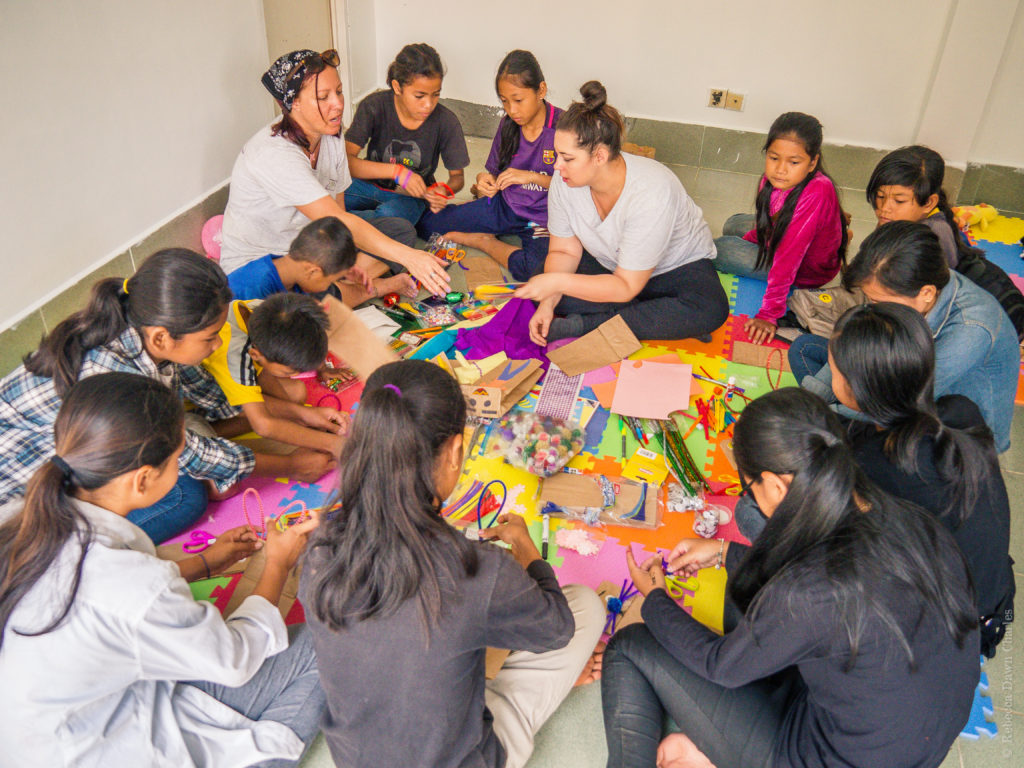
In Kenya, women’s rights have undergone a significant transformation over the past 20 years, particularly in Maasai communities where traditional roles once confined women to domestic duties and subservience to men. Historically, Maasai women have had no voice and little power in community affairs, with a social status equivalent to that of children. With the help of women’s rights activists, harmful cultural norms that deny women agency and opportunity have been effectively challenged. Women now have greater access to education, employment, and leadership opportunities. Beadworking demonstration at the Tepesua Maasai widows’ village Activists like Hellen Nkuriaya and her team at the Tepesua community-based organization (CBO) have played a pivotal role in this shift. A fierce advocate for women’s rights, Hellen has been rescuing girls from the devastating practice of female genital mutilation (FGM) and child marriage since 2002. FGM is a life-threatening procedure that has been banned in Kenya since 2011, but is still widely practiced in rural, tribal communities. As a survivor of child marriage and FGM, Hellen understands that enrolling girls in school is the best way to protect them. Married off multiple times in exchange for cows—starting at the age of nine—she fought to escape these marriages to attend school. Eventually she earned a university scholarship and became a public school teacher and taught for several years. Hellen and students at the Maji Moto Enkiteng Lepa School Fighting FGM and Child Marriage After encountering challenge after challenge rescuing girls as a government teacher, Hellen ultimately decided to resign and founded the Maji Moto Enkiteng Lepa School for rescued girls in 2009. Enkiteng Lepa (translated as “Our Cow” in Maasai), is a school that primarily serves rescued Maasai girls and some (paying) boys. The school houses around 190 students and 17 teachers, and provides a safe space for the girls to live and study. After girls graduate from the school, Hellen and her team assist them in applying for scholarships to attend secondary school through a partner organization, EFAC. Older students welcoming us during our visit to Enkiteng Lepa Recognizing the need to rescue even younger girls, Hellen founded the Tepesua primary school in 2015 to educate vulnerable girls and boys in grades K-3. Most children who attend Tepesua primary school have mothers who are widows from child marriages and are unable to afford school fees. Tepesua students enjoying an arts and crafts class co-taught by WECO volunteers

Read More

Feminism is the Future

Why Men Should Be Feminists and Allies in the Fight for Gender Equality In our quest for a more equitable, just, and sustainable future, the role of feminism is key. While the movement has historically been associated with women’s struggles for equality, the fight against gender discrimination benefits everyone, regardless of gender. There are myriad reasons why men should actively embrace feminism and become staunch allies in the pursuit for gender equality. At its core, feminism advocates for the rights and opportunities of all genders to be equal. It challenges social norms that perpetuate gender-based discrimination and strives to dismantle patriarchal structures that continue to marginalize women. For men to be true allies to women, it’s crucial for us to recognize that feminism is not about diminishing men or their experiences, but rather creating a more inclusive and fairer society for everyone. Harmful narratives around scarcity and competition will threaten people who fear the sacrifice of their power or status. However, when we nurture social cohesion through cultures of collaboration, many of our most pressing global challenges will be more easily solved—and future generations will thank us! “When we nurture social cohesion through cultures of collaboration, many of our most pressing global challenges will be more easily solved.” Across global communities, people face unique challenges based on the intersection of various identities, including race, class, and sexual orientation. While less common, men can also experience discrimination and disadvantage, and feminism provides a platform for addressing these issues. Although other equal rights movements should never be diminished, the fight for gender equality affects more people, will have the broadest impact, and should therefore be prioritized. Progress here will pave the way for progress in other marginalized communities.  Traditional gender roles have confined both men and women to narrowly defined expectations. Men are often pressured to conform to stereotypes that emphasize strength, stoicism, and dominance. Feminism seeks to undo these harmful stereotypes, allowing men the freedom to express a broader range of emotions, reject toxic masculinity, and expand the scope of their opportunities so that they may live fuller lives. There’s a clear role that testosterone and estrogen play in shaping political, economic, and social dynamics. Testosterone-driven traits such as aggression and irrational decision-making have historically dominated in these dimensions. Yet a more conventional feminine approach—characterized by traits like empathy and collaboration—is crucial for effective leadership. In my professional experience, and as a

Read More

The Power of Social Enterprise

As we approach the end of 2023, we want to examine a key insight WECO has had over the past three years, now that there is finally some distance between us and the height of the pandemic. One of the most impactful approaches we’ve implemented with our partners throughout this time has been building sustainable social enterprises. We strongly believe social enterprises are an evolution in the way resources are distributed, primarily because they have the potential to create a self-sustaining financial engine that develops over time. This unique approach to doing business intertwines financial success with a commitment to addressing a pressing social need. Unlike traditional business models that are driven primarily by making a profit, social enterprises leverage entrepreneurial principles to achieve their mission for both economic value and meaningful social change. They likewise provide a means of sustainability for nonprofit initiatives by maintaining their financial viability. When done holistically and ethically, social enterprises play a pivotal role in fostering inclusive economic development, empowering marginalized communities, and promoting systems change. “They are change agents, in the sense that their mission encompasses systemic solutions to structural problems rather than aid, which leave the respective institutions in place.”* The caveat to social enterprise creation and implementation, we would argue, is also a strength: they are dynamic in that their success is reliant on the infrastructure and conditions in which they are built. In other words, when exercising entrepreneurial approaches in impoverished areas, there are a host of unforeseen challenges and roadblocks that can (and likely will) occur. Patience and flexibility are key during the early stages. But, this doesn’t necessarily weaken the case for why organizations should support them. “Social entrepreneurs are diverse, drawing from various sectors and sources in their attempts to address social and environmental problems, which further underlines their adaptability and value.”* This adaptability is critical to help navigate the social and environmental problems surrounding complex issues like poverty. For funders, connecting local entrepreneurs with the means of creating innovation—as they define it—will allow them to build up social capital that is both relevant and sustainable for their communities. Building Sustainable Partnerships for Lasting Impact When thinking about how nonprofit practitioners could promote social enterprise initiatives, specifically to business audiences who are—understandably—concerned with the metrics or social returns that would come from their investment, it can be difficult to wrap into a nicely packaged explanation. This is

Read More

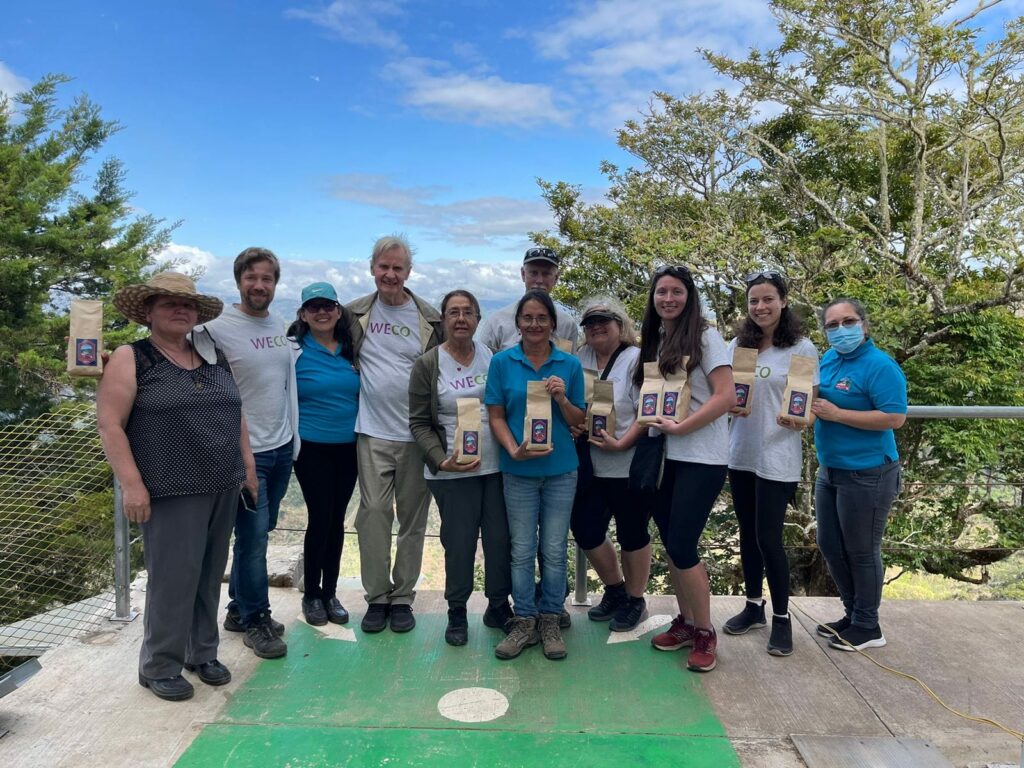
The Road to Café: A Day with ASIPROFE

Our recent visit with women-owned coffee cooperative, ASIPROFE, began with a two-hour bus journey from San José to the small town, La Legua de Asseri, winding through the beautiful mountain landscapes of Costa Rica’s premium coffee-growing region, Tarrazú. Getting to the village involves navigating the curvy, steep roads with little signage, along streets lined with coffee plants and a variety of tropical flowers. Our driver for the day was Carolina, the founder and chief operator of Enjoy 506, a women-led tourism organization that provides a number of tours and transportation options for travelers. She was kind and conscientious—simply the best tour guide and driver—and we highly recommend her services! Once we reached La Legua, our group took a brief look around at the micromill facility before diving in to our full tour. It was amazing to see the completely constructed mill in person. We hadn’t been to visit ASIPROFE since August of 2021, and it was so impressive what the women have been able to achieve since then. It was amazing to see the completely constructed mill in person. As we ran through introductions, we learned about some of the challenges the women have faced over the past two years. Coffee producers around Costa Rica are still struggling to bounce back from the pandemic. The effects of the steep decline in tourism and and related work remain. In total, they experienced a 75% loss of income in 2021. Furthermore, due to cheap labor costs of coffee farming in Asia, and an increase in global supply, coffee prices have fallen, which has resulted in ASIPROFE receiving only two-thirds the expected revenue from their last two harvests. Despite these obstacles, the women of ASIPROFE told us how they’ve been carefully planning for the future, working tirelessly to keep their organization alive and on a path to prosperity. After spending a day with them, our group saw firsthand the perseverance and physical stamina required to keep this operation going. From Plant to Bean Producing coffee is an intricate process, from cultivation and harvesting to processing and roasting it, there are many steps before the beans are ready for consumption. This multi-step endeavor involves incredibly hard work, patience, and attention to detail. It begins by understanding the necessary ingredients to grow a healthy coffee plant, such as using the proper fertilizer, pruning the larger or older plants, and monitoring temperature and rainfall. Margoth, the

Read More